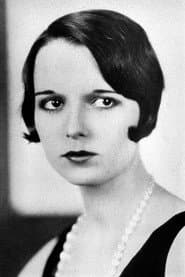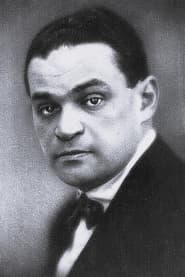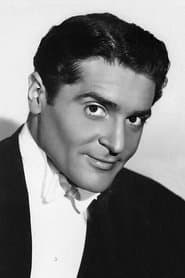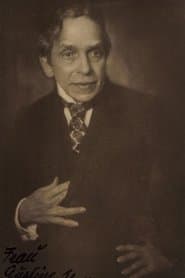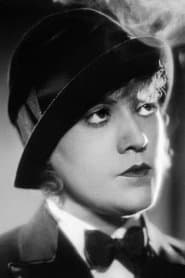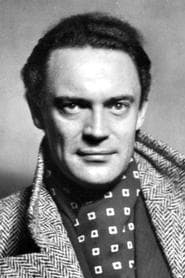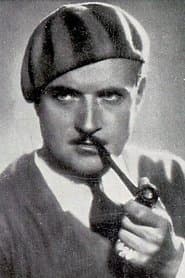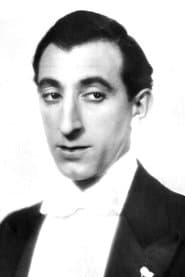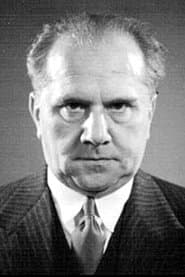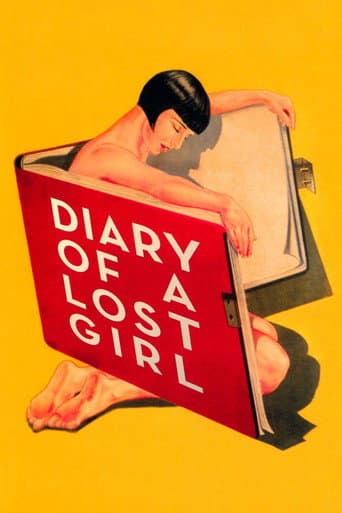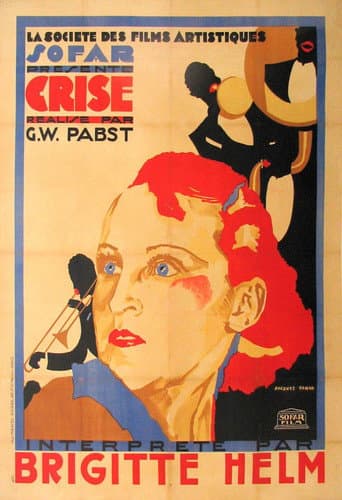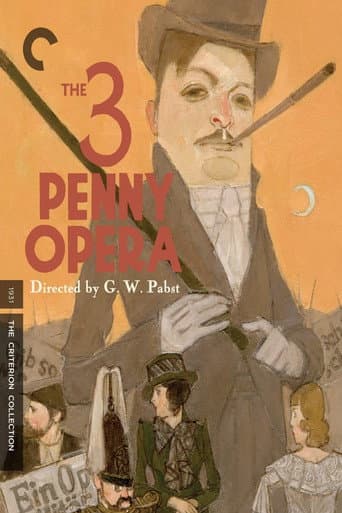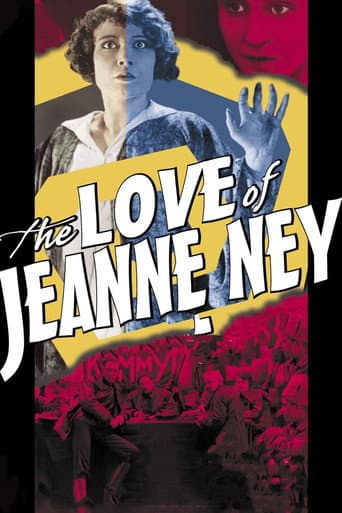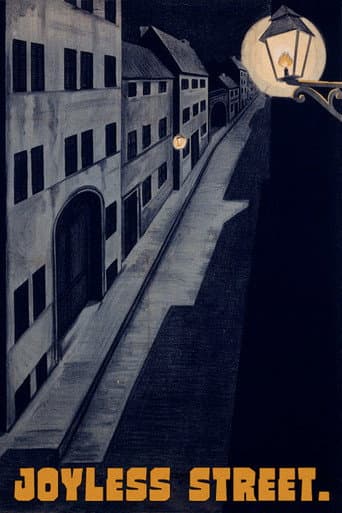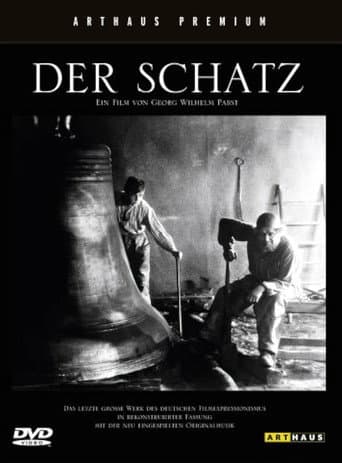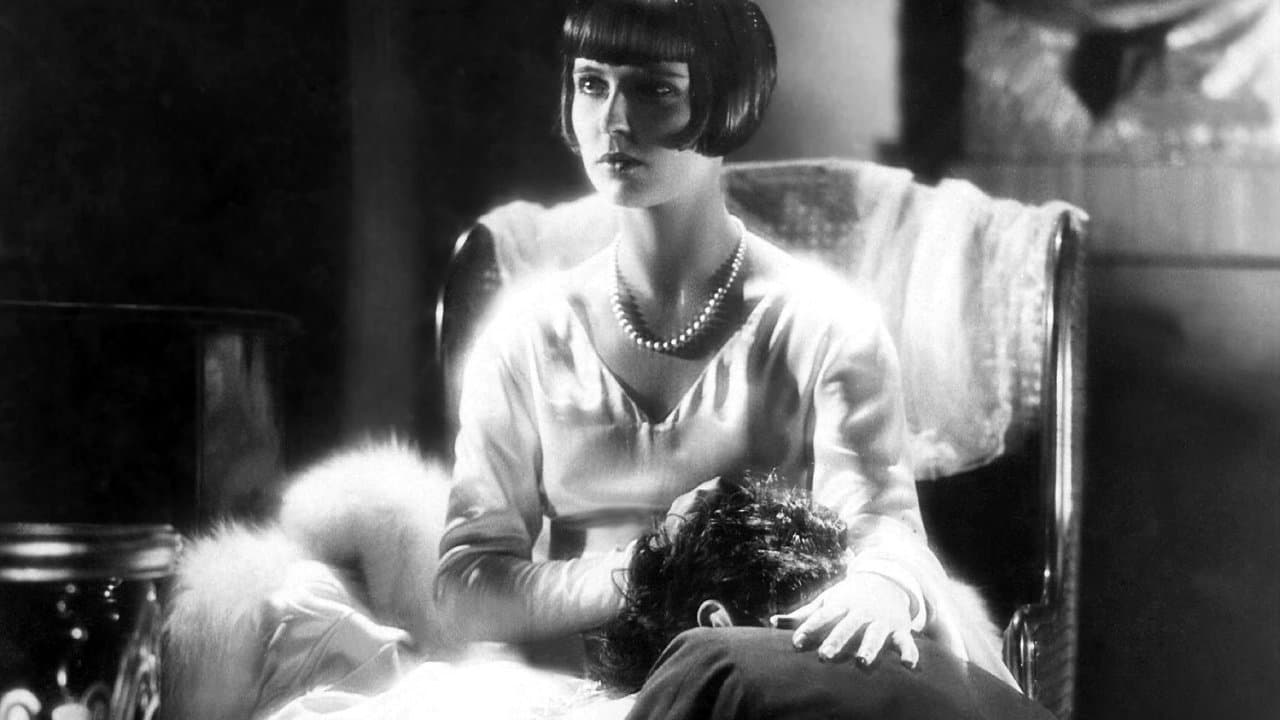
Louise Brooks — with that jet-black helmet of hair and those devastating eyes — gives one of cinema's most magnetic performances as Lulu, a woman whose irrepressible vitality and sensuality leave a trail of destruction she never intends and barely comprehends. G.W. Pabst's adaptation of Wedekind's Lulu plays follows her from kept mistress to murder defendant to fugitive, spiraling toward a devastating encounter on a foggy London night. Brooks was an American actress largely dismissed by Hollywood, but Pabst saw in her something extraordinary: a complete absence of actorly self-consciousness, a naturalness that made every other performer of the era look like they were trying too hard. The film was neglected for decades before being rediscovered and recognized as one of the supreme achievements of late silent cinema.
Countess Anna Geschwitz