Geheimnisse einer Seele
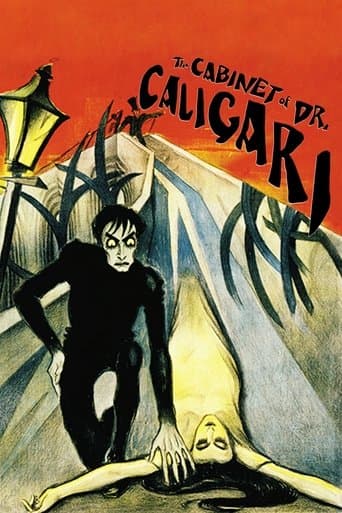
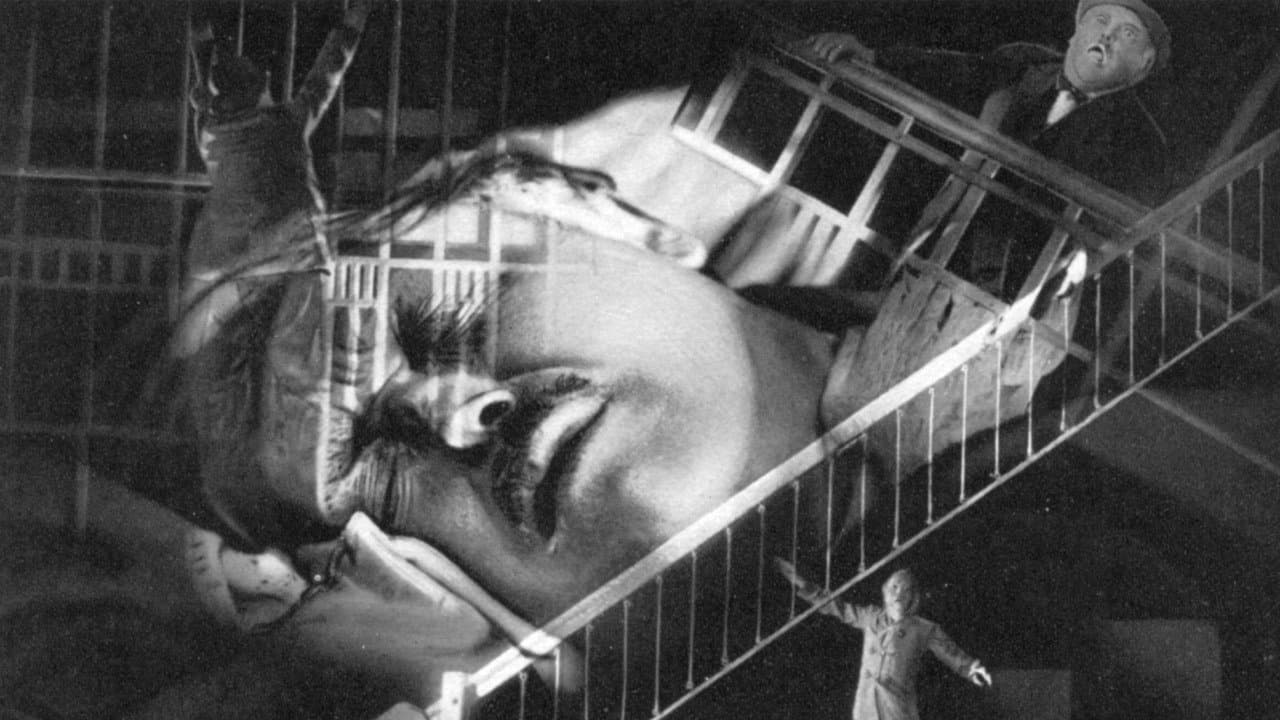
Geheimnisse einer Seele (Secrets of a Soul) is G.W. Pabst’s attempt to put Freudian psychoanalysis on screen, and it remains one of the most fascinating experiments in Weimar cinema, even where it doesn’t entirely succeed. Werner Krauss, who had played the deranged Dr. Caligari six years earlier, stars as Martin Fellman, a mild-mannered chemistry professor who develops an irrational terror of knives and a compulsive urge to murder his wife. After a neighbor is killed with a straight razor, Fellman’s anxieties spiral into full-blown psychic crisis, driven by the arrival of his wife’s handsome young cousin and a deepening sense of sexual inadequacy and jealousy he cannot name. He eventually seeks help from a psychoanalyst who guides him through the interpretation of his dreams. The production has a remarkable backstory. Producer Hans Neumann, a devotee of Freud’s Interpretation of Dreams, wanted Freud himself to consult on the film. Freud refused, skeptical that cinema could do justice to psychoanalysis. Neumann instead recruited Karl Abraham and Hanns Sachs, two members of Freud’s inner circle, to serve as scientific advisors and co-write the screenplay based on an actual case history. The collaboration split the psychoanalytic community: colleagues in Vienna publicly accused the Berlin analysts of cheapening their discipline, while Freud maintained his opposition to any cinematic treatment of his work. The film’s centerpiece is a seven-minute dream sequence, designed by Ernö Metzner and photographed by Guido Seeber, that stands as one of the great set pieces of 1920s cinema. Chess boards, living statues, church bells ringing with women’s heads, giant bars obscuring silhouetted lovers, a demonic drummer, and a village that unfolds out of the ground. It is compellingly nonlinear and sexually charged, anticipating Un Chien Andalou by three years and Hitchcock’s Spellbound by two decades. Pabst directs the waking scenes with his characteristic restraint, using minimal intertitles and letting Krauss’s increasingly agitated performance carry the narrative. The main weakness of the film is its faith. Where the dream sequence is genuinely unsettling and ambiguous, the psychoanalytic resolution is tidy to the point of naivete, capped by a happy ending that even sympathetic critics have found unconvincing. Pabst clearly believed in the science he was presenting, and the film functions partly as advocacy, an earnest case that psychological illness can be treated and cured like any other malady. That earnestness dates the material, but the filmmaking does not. The dream imagery, Krauss’s performance, and Pabst’s control of atmosphere and pacing all point toward the more fully realized masterworks that would follow: The Love of Jeanne Ney, Pandora’s Box, and Diary of a Lost Girl (also available here).
writer
cinematographer
composer
cinematographer
writer
cinematographer
writer
writer