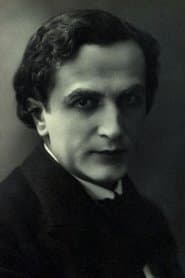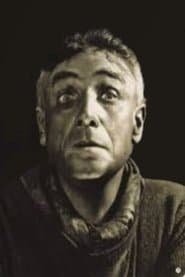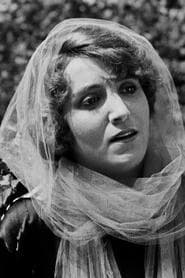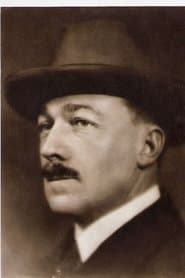
J'accuse
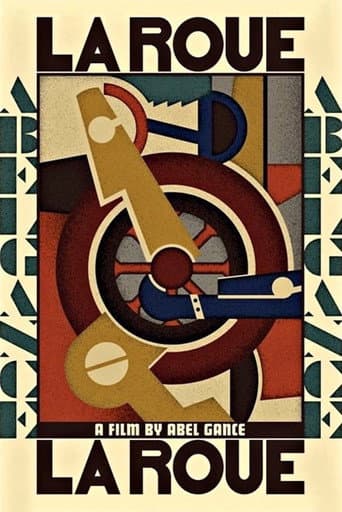
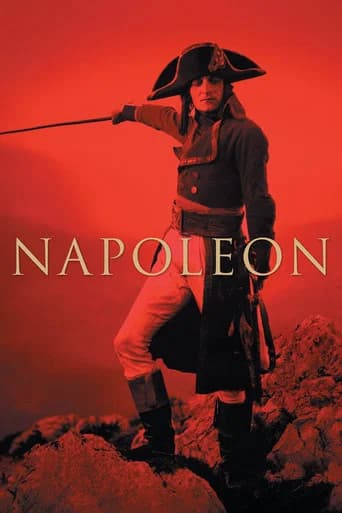
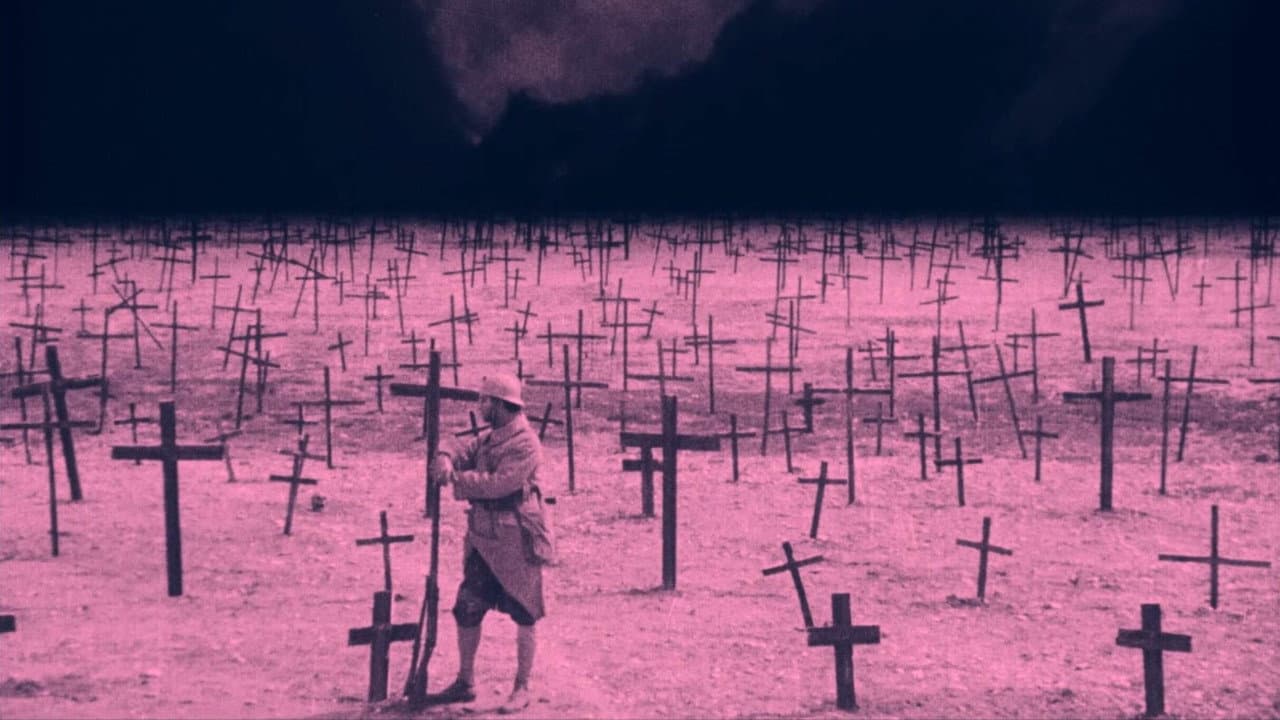
Released five months after the armistice, J’Accuse arrived at a moment when France was still counting its dead. Gance had begun the project in 1917, while the war was still grinding on, driven by what he later described as a frenzy to use cinema itself to indict the catastrophe. He persuaded Charles Pathé to finance it, shot through 1918 and into early 1919, and even arranged to be re-enlisted into the army’s Section Cinématographique so he could film the Battle of Saint-Mihiel alongside American troops. The footage he brought back was edited directly into the picture. The result is a film made not after the war but during it, with the subject and the document of the subject collapsed into a single object. The narrative is structured around a love triangle that on its own would be unremarkable. Jean Diaz, a pacifist poet, loves Edith, who is married to the brutish François Laurin. War is declared, both men enlist, and the conflict throws them together at the front while Edith, sent away by her suspicious husband, falls into German hands. What gives the melodrama its weight is the way Gance refuses to let it remain personal. The triangle is a frame for something much larger, and by the final reel Gance has discarded private feeling almost entirely in favor of a collective accusation. The title itself, lifted from Zola’s open letter on the Dreyfus affair, signals from the start that the film is less a drama than an indictment. The famous sequence is the return of the dead. Jean Diaz, half-mad, summons the fallen soldiers from their graves to march back to their villages and ask whether their sacrifice has been honored or wasted. Gance staged it with two thousand soldiers on leave from Verdun, most of whom returned to the front and were killed within weeks of filming. The sequence sits at the strange intersection of horror cinema, war reportage, and séance. Some critics have identified it as the first appearance of the cinematic undead, which is true enough as a literal claim, though the resonance is not really with the horror tradition that followed. Gance is not summoning monsters. He is summoning witnesses, and the historical fact that so many of those witnesses were dead within the month gives the footage a quality of accidental documentary that no later effects work has matched. Stylistically the film is a transitional object. Gance is already working with rapid montage, expressive lighting from cinematographer Léonce-Henri Burel, and a mobile camera that pushes against the theatrical staging then dominant in French production. These are the techniques he would push much further in La Roue and then to their full extension in Napoléon, and J’Accuse is where the laboratory work becomes visible. The film is also too long, often histrionic in performance, and its battle scenes are oddly subdued, sometimes propped up with superimposed dancing skeletons that look ridiculous now and probably did then. None of this diminishes the film. Gance is reaching for something the medium has not yet learned how to do, and the visible strain of the reaching is part of what makes the picture remarkable. The political position is more tangled than the pacifist label suggests. Gance is unambiguously against the slaughter, but the accusation in the final reel is aimed less at the war itself than at the civilians who profited from it, forgot it, or carried on as if nothing had happened. The dead return not to condemn the war machine but to ask whether their deaths meant something, and they are reassured by the living before going back to rest. This is not quite pacifism in the later interwar sense. It is closer to a wounded patriotism that refuses to let the home front off the hook, and it sits uneasily alongside Gance’s later fascination with Napoleon. The contradictions are part of the film’s historical texture. He remade J’Accuse in 1938 with a starker anti-war message, by which time another war was already visible on the horizon. For decades the film survived only in the truncated American release, retitled I Accuse, recut by United Artists into something approaching its opposite, with a happy ending and a presidential address from Warren Harding tacked on. The full European version was effectively lost until the joint restoration by Lobster Films and the Nederlands Filmmuseum in 2007, drawing on six prints including an original tinted nitrate. What we can now see is close to what Paris saw in April 1919, and what we see is one of the founding works of serious cinema, a film that took the new medium and made it do something it had not yet been asked to do, which is to look directly at mass death and refuse to look away.
composer
writer
cinematographer
cinematographer
cinematographer