Kino-polis
HomeBrowseCollectionsReading RoomAbout
Kino-polis

A personal screening room for early cinema

© 2026 Kino-polis

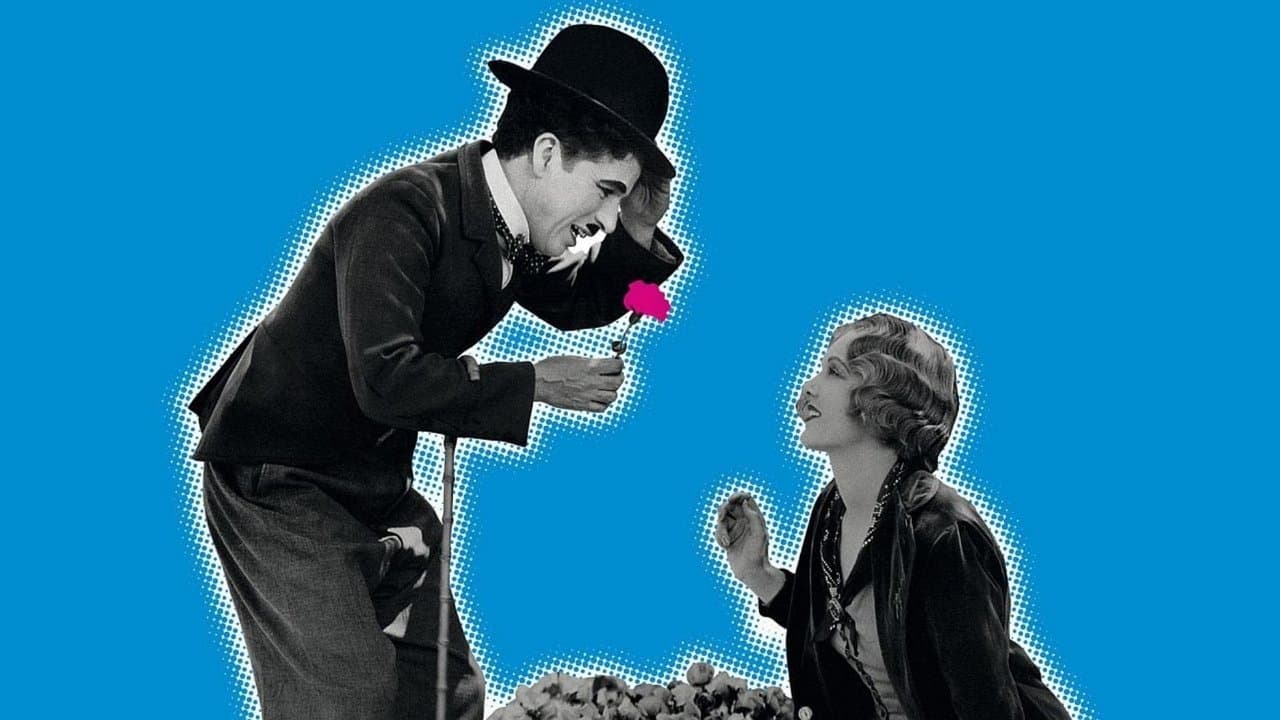
City Lights

1931·87 min·US
Director: Charlie Chaplin
ComedyRomanceDrama
American ComedyThe Arrival of SoundSpotlight: Charlie Chaplin

Charlie Chaplin's most perfect film — and arguably the greatest love story in cinema. The Little Tramp falls in love with a blind flower seller who mistakes him for a wealthy gentleman, and he devotes himself to earning the money for an operation to restore her sight. The comedy is sublime: a boxing match where the Tramp uses the referee as a human shield, a drunken millionaire who recognizes him only when inebriated. But it's the final scene that earns City Lights its place in eternity — when the flower girl, her sight restored, finally sees the shabby little man who saved her. Chaplin's face in that close-up contains everything: hope, fear, love, and the knowledge that he can never be what she imagined. Orson Welles called it the greatest scene in the history of cinema. He may have been right.

Charlie Chaplin's most perfect film — and arguably the greatest love story in cinema. The Little Tramp falls in love with a blind flower seller who mistakes him for a wealthy gentleman, and he devotes himself to earning the money for an operation to restore her sight. The comedy is sublime: a boxing match where the Tramp uses the referee as a human shield, a drunken millionaire who recognizes him only when inebriated. But it's the final scene that earns City Lights its place in eternity — when the flower girl, her sight restored, finally sees the shabby little man who saved her. Chaplin's face in that close-up contains everything: hope, fear, love, and the knowledge that he can never be what she imagined. Orson Welles called it the greatest scene in the history of cinema. He may have been right.

Watch

Explore Further

City Lights (1931) | The Definitives — Deep Focus Review

Critical essay on Chaplin's final silent film and its combination of comedy and profound emotion.

Article
City Lights movie review & film summary — Roger Ebert Great Movies

Ebert's essay on Chaplin's masterpiece and its lyrical romanticism and defiance of sound cinema.

Article
City Lights (1931) — Criterion Collection

Criterion release with comprehensive essay on this greatest achievement of Chaplin's career.

Article

Where to Watch

Watch on Criterion Channel
Streaming data by JustWatch

Cast

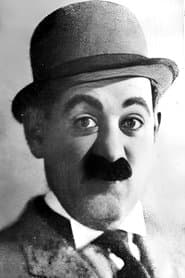
Charlie Chaplin

Charlie Chaplin

A Tramp

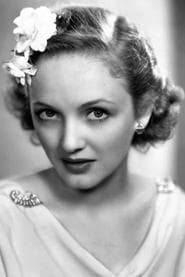
Virginia Cherrill

Virginia Cherrill

A Blind Girl

F

Florence Lee

Her Grandmother

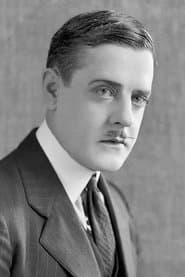
Harry Myers

Harry Myers

An Eccentric Millionaire

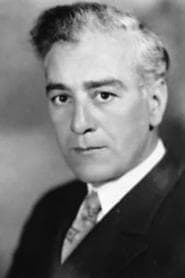
Al Ernest Garcia

Al Ernest Garcia

His Butler

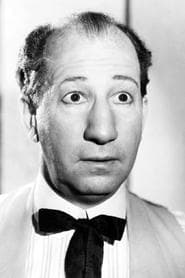
Hank Mann

Hank Mann

A Prizefighter

Albert Austin

Albert Austin

Street Sweeper / Burglar (uncredited)

Eddie Baker

Eddie Baker

Boxing Fight Referee (uncredited)

Henry Bergman

Henry Bergman

Mayor / Blind Girl's Downstairs Neighbor (uncredited)

Buster Brodie

Buster Brodie

Bald Party Guest (uncredited)

Jeanne Carpenter

Jeanne Carpenter

Diner in Restaurant (uncredited)

Tom Dempsey

Tom Dempsey

Boxer (uncredited)

J

James Donnelly

Street Sweepers' Foreman (uncredited)

R

Ray Erlenborn

Newsboy (uncredited)

Robert Graves

Robert Graves

Police Officer (uncredited)

Crew

Charlie Chaplin

writer

Charlie Chaplin

composer

Gordon Pollock

cinematographer

Harry Crocker

writer

Roland Totheroh

cinematographer

Harry Carr

writer
More Like This

Born Reckless

Born Reckless

1930
The Tramp

The Tramp

1915
Juno and the Paycock

Juno and the Paycock

1930
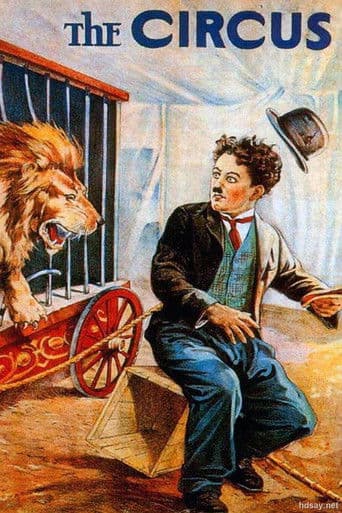
The Circus

The Circus

1928
The Bond

The Bond

1918
Easy Street

Easy Street

1917
A Dog's Life

A Dog's Life

1918
The Bank

The Bank

1915
His Prehistoric Past

His Prehistoric Past

1914
Shoulder Arms

Shoulder Arms

1918
The Rounders

The Rounders

1914
A Jitney Elopement

A Jitney Elopement

1915