Loading
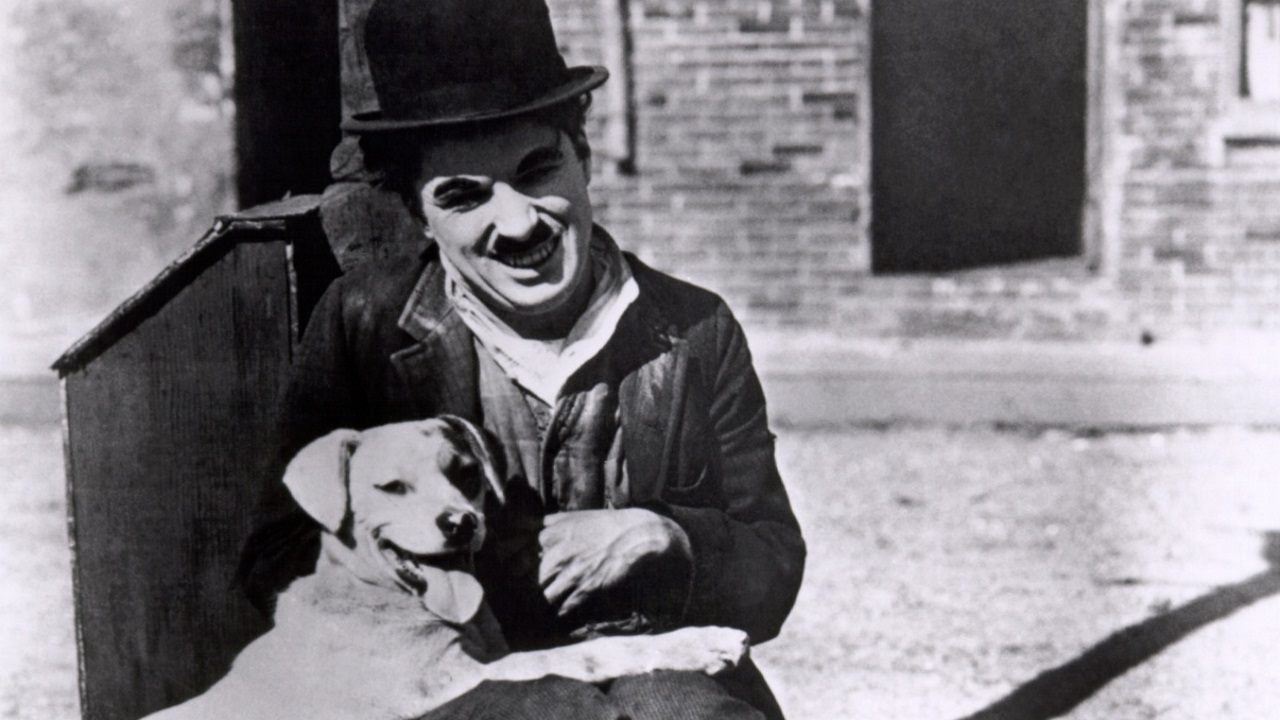
Chaplin's first film under the million-dollar First National contract: eight pictures, no deadline, and he kept the copyright. Released 14 April 1918, three reels, it is the Tramp as a man who sleeps in a vacant lot, loses the employment-office queue, and rescues a stray, Scraps, from a pack. Together they steal sausages from a lunch wagon (Syd Chaplin, behind the counter), smuggle the dog into the Green Lantern dance hall, and meet Edna Purviance's cabaret singer. Scraps digs up a wallet the thieves buried; they end on a farm, peering into a cradle that holds the dog and her puppies. Sydney had promised First National less slapstick, more character. This is the film that kept the promise, and the one in which Chaplin started lighting a world as if it would have to last.
In one programme
First National, three reels, and the first film lit as if it would have to last. The Tramp and Scraps, a sausage theft, a wallet dug up, a dance hall. Syd behind the lunch counter. Watch the last shot: a cradle, and what is in it. The road has a farm at the end this once.
Cast & crew
Further reading
Loading films