T
Profile
Theda Bara
1885 – 1955·Cincinnati, Ohio, USA
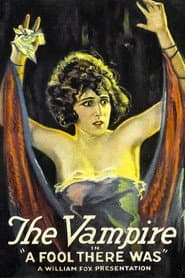
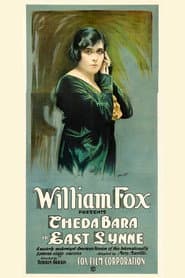
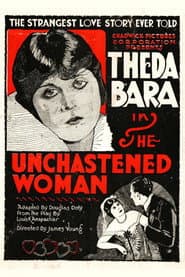
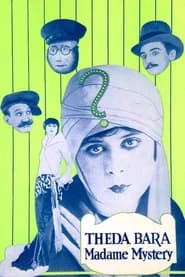
Born Theodosia Burr Goodman in Cincinnati to a Jewish family, Bara spent years as an unremarkable stage actress in New York before director Frank Powell cast her in A Fool There Was (1915). What happened next was one of the earliest and most audacious exercises in studio-manufactured celebrity. William Fox’s publicists invented an entirely new person: they renamed her Theda Bara, claimed she was born in the shadow of the Sphinx to a French artist and his Arabian mistress, and spread the rumor that her name was an anagram of “Arab Death.” Press conferences were staged in hotel suites draped in velvet, lit by incense, and decorated with crystal balls and live pythons. It was absurd, and it worked spectacularly. Bara became the biggest female star in American film, rivaled only by Mary Pickford and Charlie Chaplin. Fox kept her working at a punishing pace — over forty features between 1914 and 1919 — almost exclusively as “The Vamp,” a type she essentially created: the cold, seductive woman who destroys the men who desire her. The word “vamp” entered the English language because of her. Her 1917 Cleopatra broke box office records and was the most talked-about film of its year. But the persona became a trap. Bara wanted more complex roles and chafed against the typecasting, but Fox had no incentive to change the formula. By 1919, audiences had moved on. The vamp gave way to the flapper; Clara Bow and Louise Brooks offered a newer, less threatening image of female sexuality. Bara’s contract expired and was not renewed. She married director Charles Brabin in 1921 and made only two more films before retiring permanently in 1926. The final, cruel irony of Bara’s career is that we can barely see it. A 1937 fire at the Fox nitrate film vaults in New Jersey destroyed nearly everything. Of her forty-plus features, complete prints of only six survive. Her Cleopatra, Salome, Carmen, and Camille — the films that made her a phenomenon — are gone. What remains are fragments, publicity stills, and a handful of surviving titles that offer only a partial view of the performer who, for a few extraordinary years, was one of the most famous women in the world.