The Haunted Castle
Schloß Vogelöd
1921 · DE
Directed by F. W. Murnau
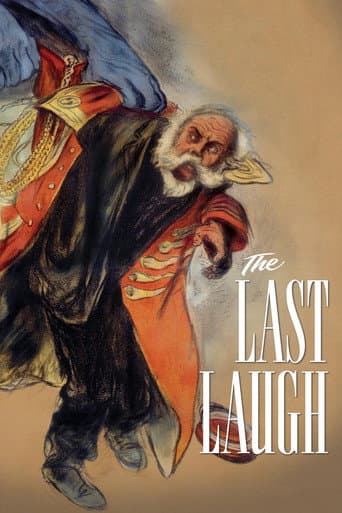
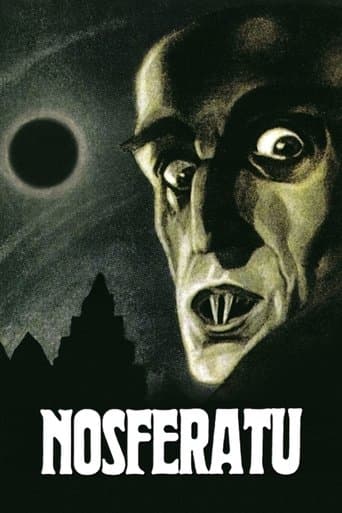
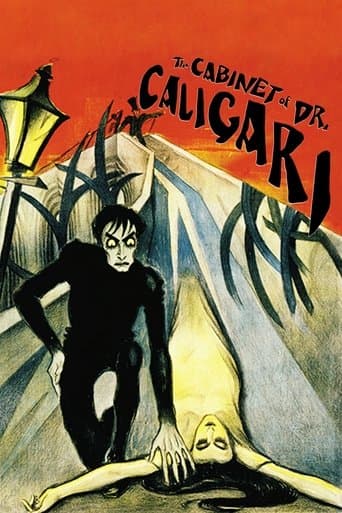
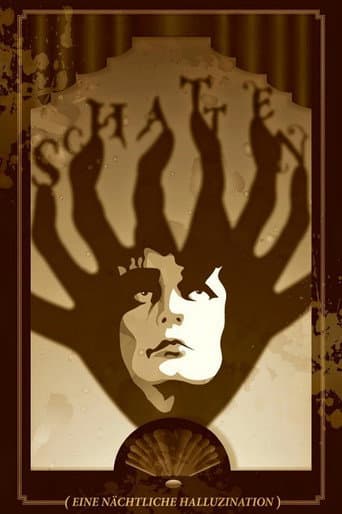
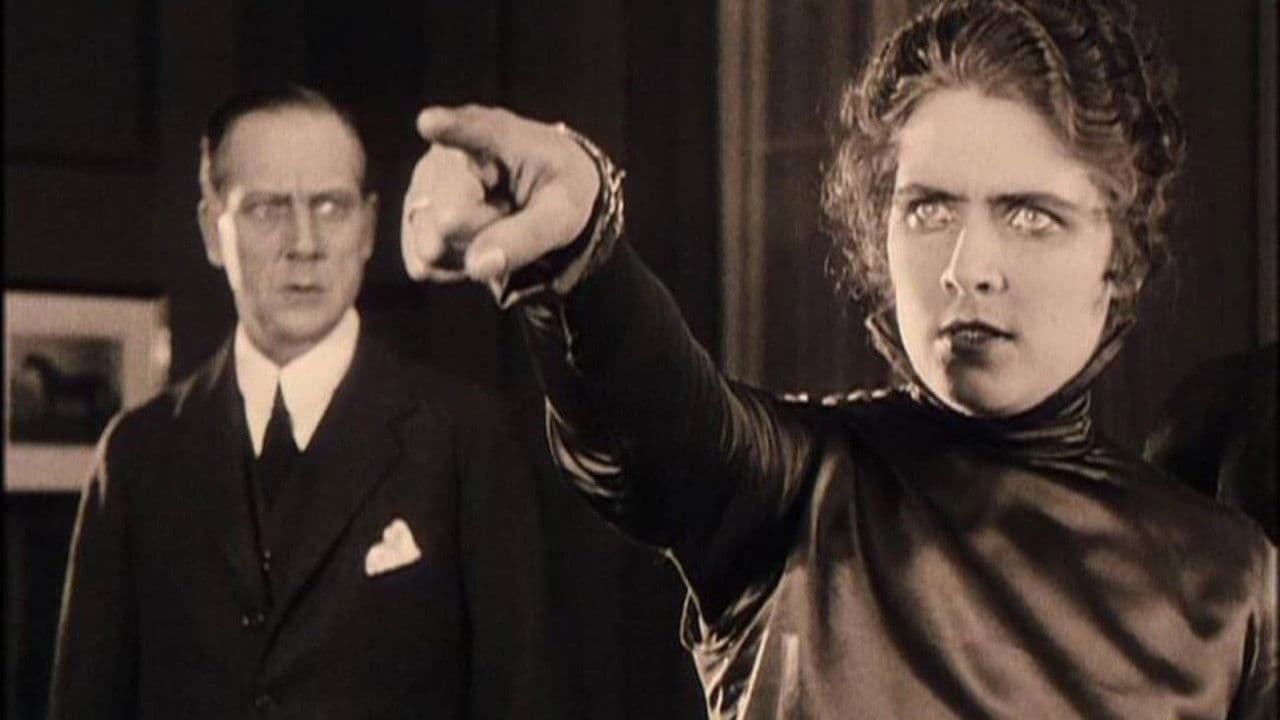
Schloß Vogelöd, released in English as The Haunted Castle, is F.W. Murnau’s 1921 mystery drama and one of the earliest surviving films from a director whose later masterworks (Nosferatu, The Last Laugh, Sunrise) would reshape cinema. The English title is misleading: there is nothing supernatural here. This is a drawing-room whodunit, adapted by the great screenwriter Carl Mayer from a Rudolf Stratz novel, in which a group of aristocrats gather at a remote manor for a hunting weekend only to find themselves trapped indoors by rain and by the unresolved matter of a murder. When the uninvited Count Oetsch arrives, widely suspected of having killed his own brother, the social tension becomes unbearable, and a web of accusation, confession, and deception slowly tightens around the assembled guests. Murnau’s camera is restrained here compared to his later innovations, and the film is heavier on intertitles than almost any other in his surviving body of work. But the elements that would define his genius are already visible: the oppressive interiority of the manor, the eerie establishing shots of the house against a bleak landscape, and above all a dream sequence in which a hairy claw reaches through a window and a monstrous shadow is projected on a bedroom wall. It reads unmistakably as a rehearsal for Nosferatu, which Murnau would shoot the following year. Shot by Fritz Arno Wagner with art direction by Hermann Warm, both of whom had worked on The Cabinet of Dr. Caligari, the film is minor Murnau, but even minor Murnau offers more than most directors ever managed.
Drama · Mystery · Crime · Horror
Watch nowWatch The Haunted Castle
1921 · Source: DonaldPBorchersOG
Public domain presentation
Cast & Crew
Available Subtitles
No subtitle tracks are currently listed.
Public Domain Source
DonaldPBorchersOG
Where to Watch
Streaming data by JustWatch
Cast
Principal players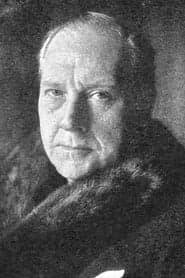
Arnold Korff
Lord von Vogelschrey auf Vogeloed
L
Lulu Kyser-Korff
Lady Centa von Vogelschey (as L. Kyser-Korff)
L
Lothar Mehnert
Graf Johann Oetsch (as Lotar Mehnert)
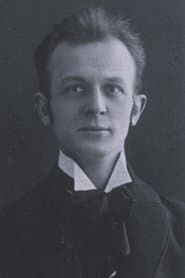
Paul Bildt
Baron Safferstätt
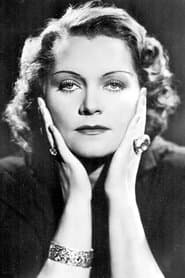
Olga Tschechowa
Baronin Safferstätt
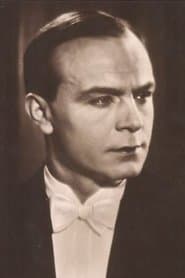
Paul Hartmann
Graf Peter Paul Oetsch
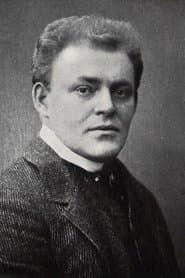
Hermann Vallentin
Landgerichtsrat a.D.
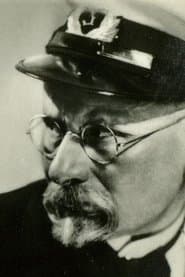
Julius Falkenstein
Ängstlicher Herr
G
Georg Zawatzky
Küchenjunge (uncredited)
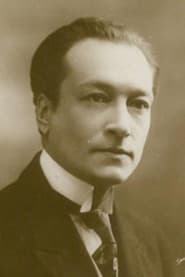
Robert Leffler
Majordomus
V
Victor Bluetner
Pater Faramund (as Victor Blütner)
W
Walter Kurt Kuhle
Diener (as Walter Kurt-Kuhle)
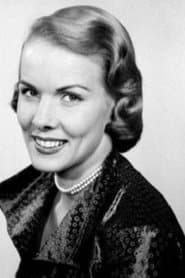
Loni Nest
Kleines Mädchen (uncredited)
U
Ursula Nest
Zweites Kleines Mädchen (uncredited)