Kino-polis
HomeBrowseCollectionsReading RoomAbout
Kino-polis

A personal screening room for early cinema

© 2026 Kino-polis

Intolerance: Love's Struggle Throughout the Ages

1916·197 min·US
Director: D.W. Griffith
HistoryDrama
American SpectacleSpotlight: Lillian Gish

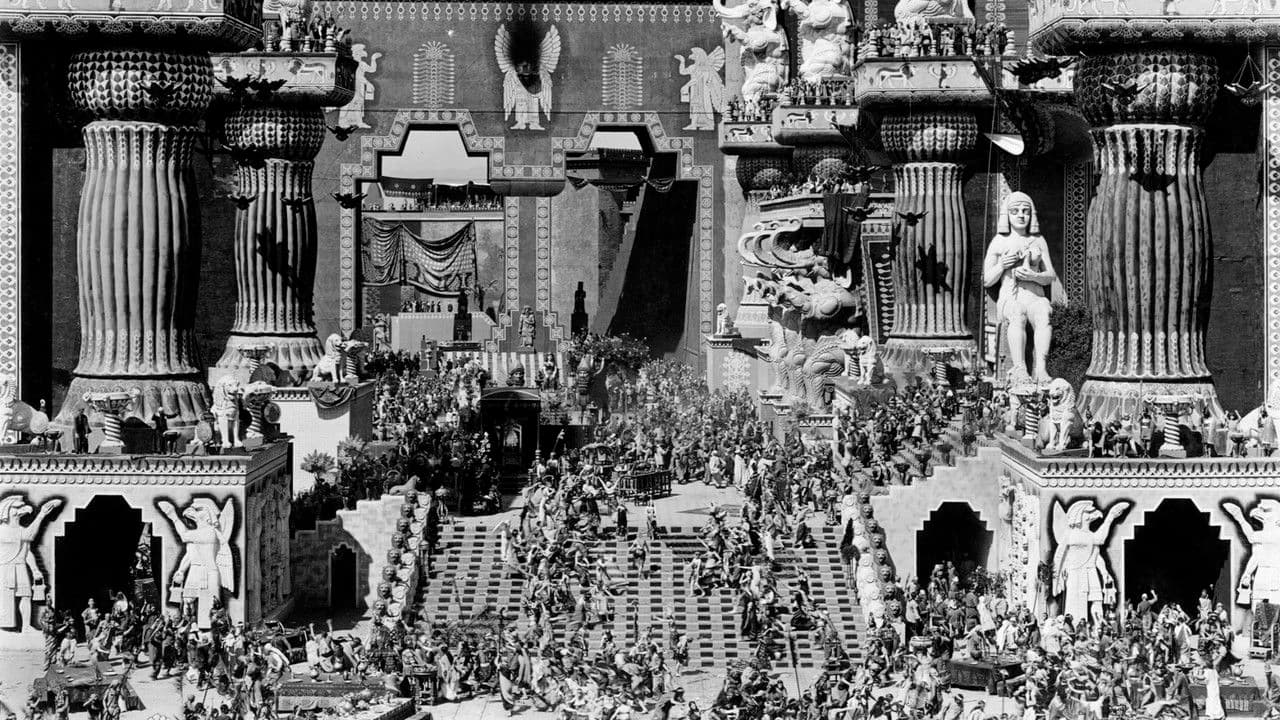
D.W. Griffith's staggering, impossible, magnificent folly — the most ambitious film ever attempted in 1916, and one of the most ambitious ever attempted, period. Stung by criticism of The Birth of a Nation's racism, Griffith responded with a three-and-a-half-hour epic intercutting four separate stories across 2,500 years of history: ancient Babylon, the life of Christ, the St. Bartholomew's Day Massacre in Renaissance France, and a modern-day melodrama about labor strikes and social reform. The Babylonian sequences alone, featuring some of the largest sets ever constructed, are worth the price of admission. The film's structure — all four stories building to simultaneous climaxes, cut faster and faster in a mounting crescendo — was decades ahead of its time. Commercially ruinous and artistically revolutionary, it remains one of cinema's most awe-inspiring experiences.

D.W. Griffith's staggering, impossible, magnificent folly — the most ambitious film ever attempted in 1916, and one of the most ambitious ever attempted, period. Stung by criticism of The Birth of a Nation's racism, Griffith responded with a three-and-a-half-hour epic intercutting four separate stories across 2,500 years of history: ancient Babylon, the life of Christ, the St. Bartholomew's Day Massacre in Renaissance France, and a modern-day melodrama about labor strikes and social reform. The Babylonian sequences alone, featuring some of the largest sets ever constructed, are worth the price of admission. The film's structure — all four stories building to simultaneous climaxes, cut faster and faster in a mounting crescendo — was decades ahead of its time. Commercially ruinous and artistically revolutionary, it remains one of cinema's most awe-inspiring experiences.

Watch

Explore Further

D. W. Griffith's Intolerance — Museum of Modern Art

MoMA essay on Griffith's ambitious anthology film examining its cross-cutting innovations and critical reception.

Article

Where to Watch

Streaming data by JustWatch

Cast

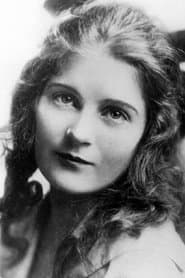
Lillian Gish

Lillian Gish

The Woman Who Rocks the Cradle

Mae Marsh

Mae Marsh

The Dear One (Modern Story)

Robert Harron

Robert Harron

The Boy (Modern Story)

F.A. Turner

F.A. Turner

The Girl's Father (Modern Story)

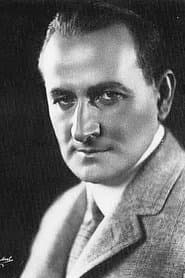
Sam De Grasse

Sam De Grasse

Arthur Jenkins (Modern Story)

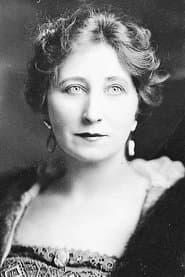
Vera Lewis

Vera Lewis

Mary T. Jenkins (Modern Story)

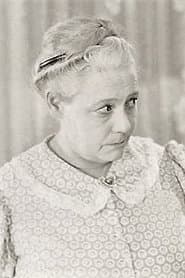
Lillian Langdon

Lillian Langdon

Mary, the Mother (Judean Story)

Olga Grey

Olga Grey

Mary Magdalene (Judean Story)

E

Erich von Ritzau

First Pharisee (Judean Story)

Bessie Love

Bessie Love

The Bride of Cana (Judean Story)

Margery Wilson

Margery Wilson

Brown Eyes (French Story)

Eugene Pallette

Eugene Pallette

Prosper Latour (French Story)

Spottiswoode Aitken

Spottiswoode Aitken

Brown Eyes' Father (French Story)

R

Ruth Handforth

Brown Eyes' Mother (French Story)

Elmer Clifton

Elmer Clifton

The Rhapsode (Babylonian Story)

Crew

Anita Loos

writer

Billy Bitzer

cinematographer

Frank E. Woods

writer

Tod Browning

writer

More Like This

Isn't Life Wonderful

Isn't Life Wonderful

1924
A Corner in Wheat

A Corner in Wheat

1909
Orphans of the Storm

Orphans of the Storm

1921
The Idol Dancer

The Idol Dancer

1920
The Girl Who Stayed at Home

The Girl Who Stayed at Home

1919
Edgar Allan Poe

Edgar Allan Poe

1909
Abraham Lincoln

Abraham Lincoln

1930
The Lonedale Operator

The Lonedale Operator

1911
The Musketeers of Pig Alley

The Musketeers of Pig Alley

1912
The Mothering Heart

The Mothering Heart

1913
Juno and the Paycock

Juno and the Paycock

1930
The Late Mathias Pascal

The Late Mathias Pascal

1925