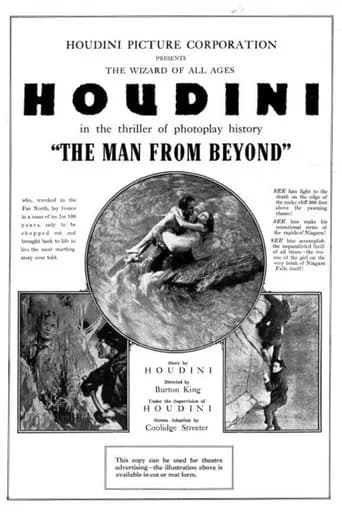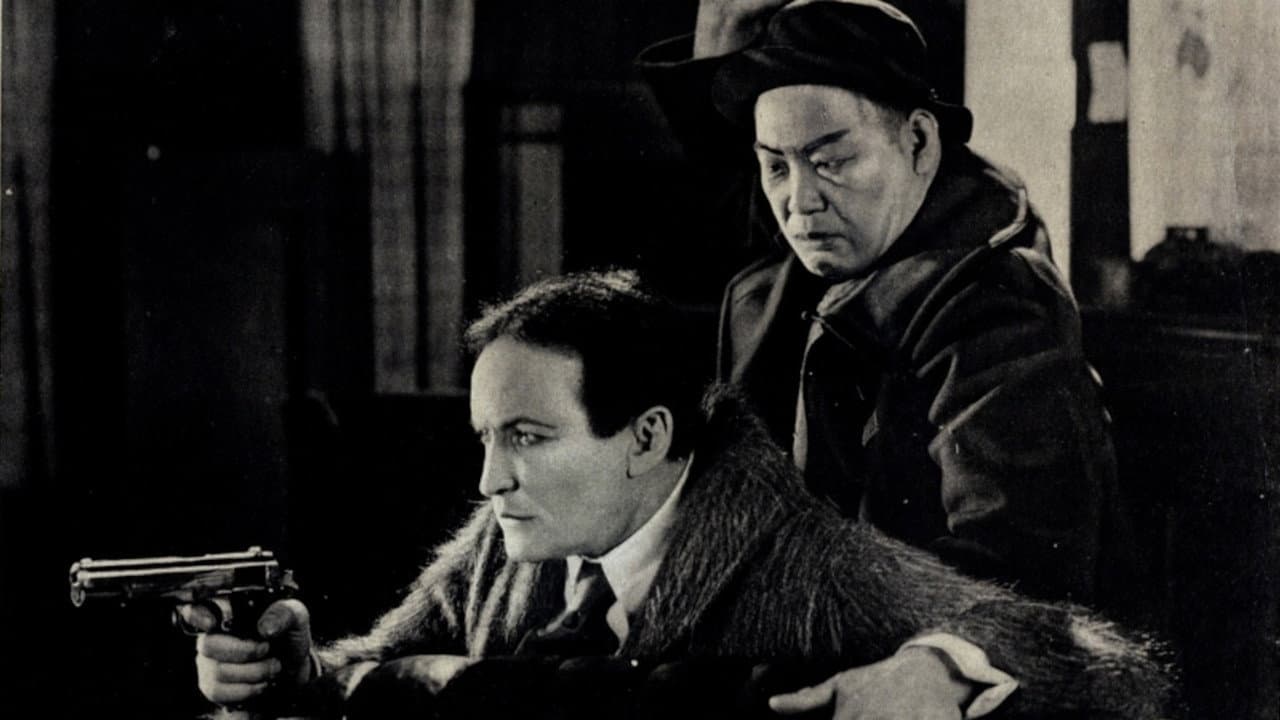
Terror Island (1920) is one of two features Harry Houdini made for a major Hollywood studio, and it captures everything fascinating and frustrating about his brief film career. Produced by Jesse Lasky, directed by James Cruze, and released through Realart Pictures, a prestige subsidiary of Paramount, this is a polished studio production built entirely around one question: how many ways can we put Houdini in mortal danger and let him escape? The plot is pure pulp. Houdini plays the inventor of a submarine salvage device who agrees to help a young woman (Lila Lee) rescue her father from South Sea islanders holding him ransom for a sacred pearl. A kidnapping at sea, underwater fights, and an iron safe thrown into the ocean all follow in rapid succession. Houdini performed all his own stunts, and his physical presence on screen is genuinely magnetic. What he did not have was any particular ability to act, and the film knows it, moving from thrill to thrill with minimal dramatic fuss. Only five of the original seven reels survive, with the missing footage reportedly containing two of Houdini’s most elaborate escapes. The location filming was done on Catalina Island, and the depiction of the island’s native inhabitants reflects the casual racism of 1920s adventure fiction in ways that are impossible to overlook. Terror Island is not great cinema, but it is a vivid artifact of early Hollywood spectacle and a rare chance to watch the most famous escape artist in history do what he did best, even if the camera could never quite capture what made it extraordinary in person.