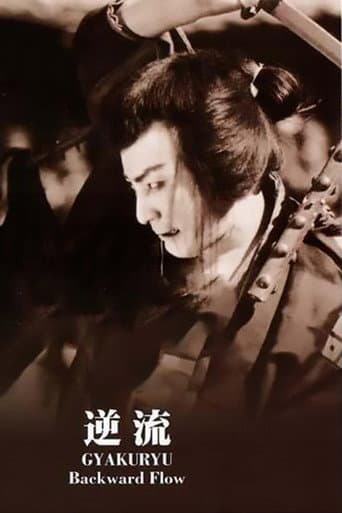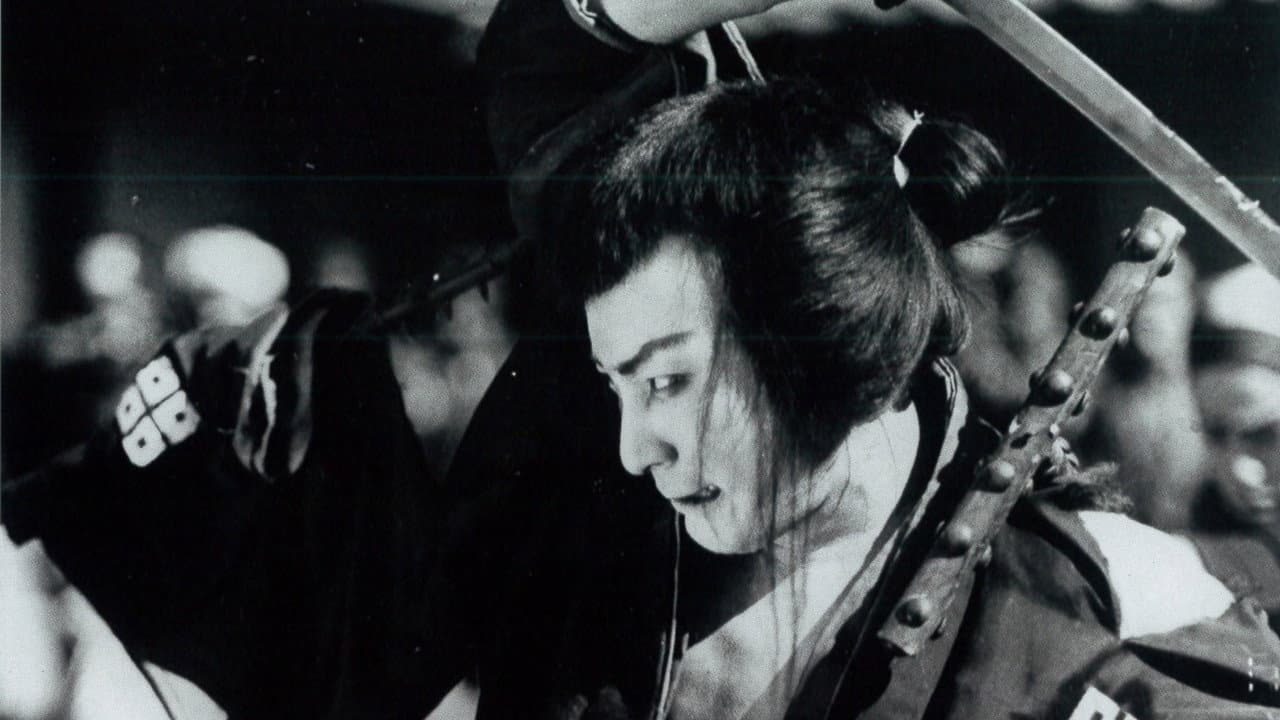
雄呂血
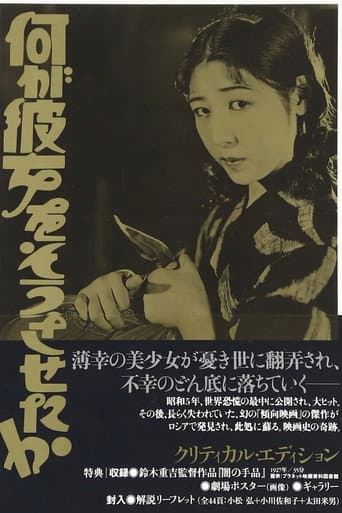
Buntaro Futagawa's atmospheric jidaigeki (period drama) about a masterless samurai brought low by circumstance and misunderstanding — a recurring theme in Japanese cinema that here receives one of its earliest and most compelling silent-era treatments. The film follows a once-proud warrior who falls into poverty and disgrace, navigating a world of rigid social hierarchies and casual cruelty with stoic dignity. The film's visual style draws on both traditional Japanese art and the compositional techniques of European cinema, creating a hybrid that feels distinctly modern. A valuable early example of the samurai film genre that would later produce masterpieces from Kurosawa, Kobayashi, and Gosha — and a window into the rich, complex world of 1920s Japanese cinema that remains too little known in the West.

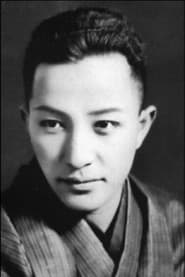
Tsumasaburō Bandō
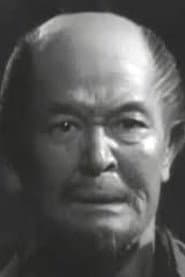
Heisaburo Kuritomi
Misao Seki
Hyozan Matsusumi

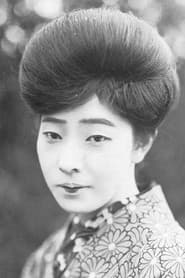
Utako Tamaki
Namie, Hyôzan's Daughter

Kensaku Haruji
Shin'nojo Esaki, Her Husband

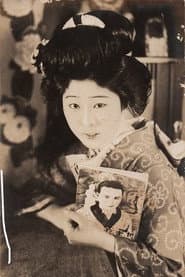
Shizuko Mori
Ochiyo
Kichimatsu Nakamura
Jirozo Akagi
Momotarô Yamamura
Shinpachiro Namioka
Kotonosuke Nakamura
Kokichi
Shigeyo Arashi
Nekohachi
Zen'ichirô Yasuda
Santa
writer
cinematographer